Get Started with Simulink Design Verifier
R2026bSimulink® Design Verifier™ uses formal methods to identify hidden design errors in models. It detects operations in models that result in runtime errors and undesired behaviors, such as integer overflow, dead logic, array access violations, and division by zero. The analysis is distributed across CPU cores to accelerate results for complex models.
Simulink Design Verifier performs formal verification to prove that designs meet functional requirements and do not violate safety requirements. Formal analysis also verifies requirements for consistency and completeness. For each design error or requirement violation, the software generates a simulation test case for debugging.
Using Simulink Design Verifier, you can automatically generate test vectors to achieve model and code coverage. These test vectors drive your model to achieve decision, condition, and modified condition/decision (MC/DC) coverage metrics.
Support for industry standards is available through IEC Certification Kit (for IEC 61508 and ISO 26262) and DO Qualification Kit (for DO-178 and DO-254).
Tutorials
- Use Simulink Design Verifier for Systematic Model Verification
Learn the basics of Simulink Design Verifier analysis.
- STEP 1: Prepare Model for Test Generation Analysis
- STEP 2: Configure Model Settings and Run Analysis
- STEP 3: Review Test Generation Analysis Results
Generate Test Cases for a Model
Prepare model, configure model settings, and review test generation analysis results.
Detect Design Errors in a Model
Configure model settings, detect design errors, and review results.
Featured Examples
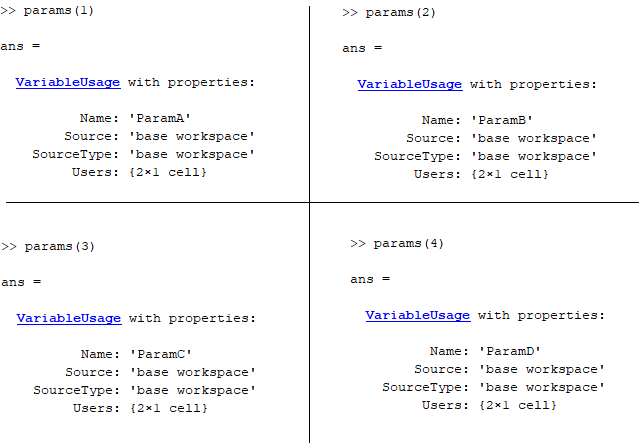
Analyze Results for Dead Logic Analysis
Determine potential causes for dead logic in the analysis.
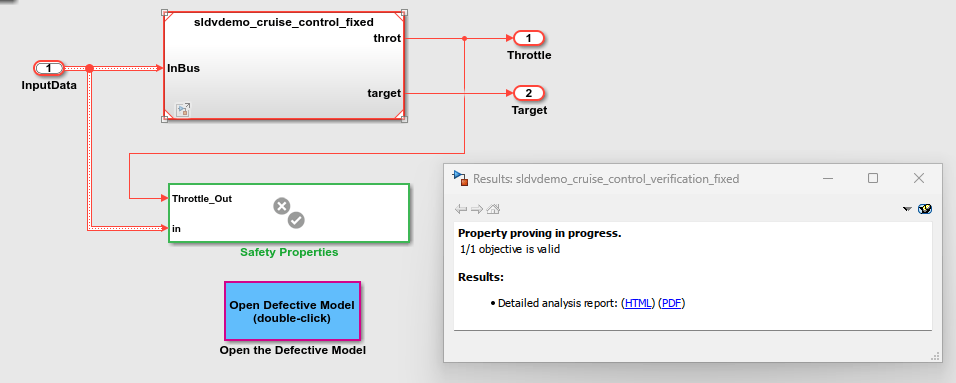
Find and Debug Property Violation Using Simulink Design Verifier
Use Simulink Design Verifier to find and debug property violation in model.
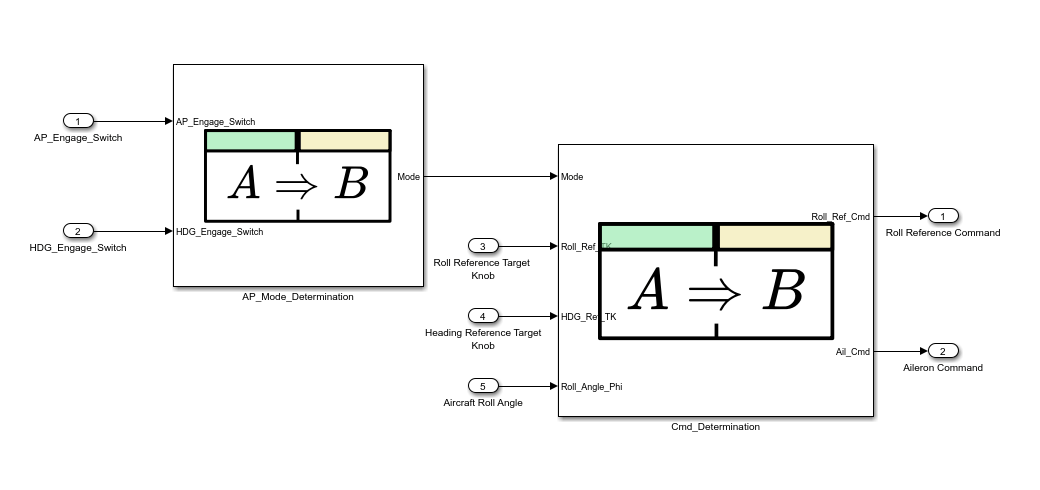
Use Specification Models for Requirements-Based Testing
Follow a systematic approach to verify your design model against requirements.
Videos

What Is Simulink
Design Verifier?
Introduction to Simulink
Design Verifier.
How to Use Simulink Design Verifier to Automatically Detect Design Errors in
Your Simulink Models
Use Simulink Design Verifier to find errors in a design, and how errors,
when detected, can be debugged using the visualization features in Simulink
Design Verifier.
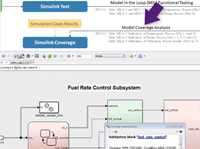
DO-178C Workflow for Automatic Test Vector Generation
Use Simulink Design Verifier to automatically generate test vectors to
analyze missing model coverage collected by Simulink Coverage in order to
comply with DO-178C and its supplements.
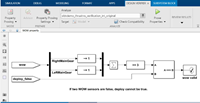
How to Debug a Property Proving Counterexample
Property proving with Simulink Design Verifier™ is a static analysis
technique that uses formal methods to prove whether a given property will
always be valid. This technique can help you formally verify that specific
requirements implemented in your design will always be met.

Requirements-Based Testing Workflow
Explains how to create a test using a test sequence, define a formal
assessment, link test cases to requirements, run test suites, and analyze
missing model test coverage.

