bagOfFeaturesDBoW
R2026bDescription
Use the bagOfFeaturesDBoW object to create a bag of words (BoW)
vocabulary to use for loop closure detection with vSLAM algorithms. This object uses the
distributed bag of words DBoW2 library. This object supports oriented FAST and rotated BRIEF (ORB) and
scale-invariant feature transform (SIFT) features.
Creation
Syntax
Description
bag = bagOfFeaturesDBoW()FeatureType name-value
argument as "SIFT".
bag = bagOfFeaturesDBoW(imds)imds. The algorithm uses oriented fast and rotated brief (ORB)
features by default to create the visual vocabulary. To use scale-invariant feature
transform (SIFT) features instead, specify the FeatureType
name-value argument as "SIFT".
bag = bagOfFeaturesDBoW(features)features.
bag = bagOfFeaturesDBoW(___,Name=Value)Normalization="L2" sets the normalization to
L2.
bag = bagOfFeaturesDBoW(vocabularyFileName)
Input Arguments
Name-Value Arguments
Properties
Object Functions
similarityMatrix | Compute self-similarity matrix for a set of image features based on bag of words representation |
Examples
Create a bag of features object using an existing distributed bag of words (DBoW) vocabulary file.
bag = bagOfFeaturesDBoW("bagOfFeatures.bin.gz")bag =
bagOfFeaturesDBoW with properties:
DepthLevel: 5
BranchingFactor: 10
Normalization: 'L1'
FeatureType: 'ORB'
Create an image datastore for a set of images with stop signs.
folder=fullfile(toolboxdir("vision"),"visiondata","stopSignImages"); imds=imageDatastore(folder);
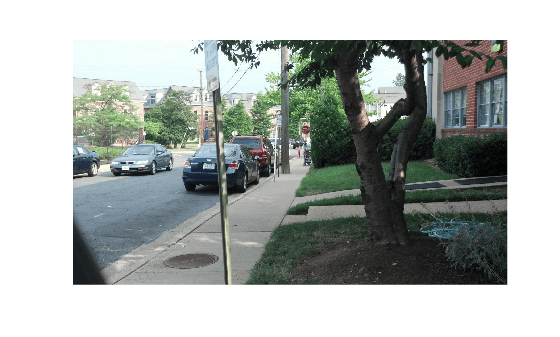
Visualize an image from the datastore.
imshow(preview(imds))
Create a bag of features vocabulary representation from the images in the datastore.
bag = bagOfFeaturesDBoW(imds)
bag =
  bagOfFeaturesDBoW with properties:

         DepthLevel: 5
    BranchingFactor: 10
      Normalization: 'L1'
        FeatureType: 'ORB'
Read an image.
I = imread("cameraman.tif");
imshow(I)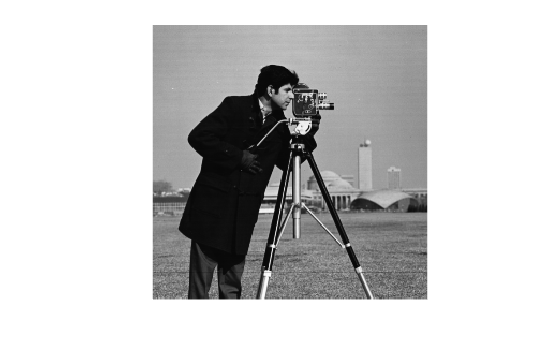
Detect ORB features in the image.
points = detectORBFeatures(I);
imshow(I)
hold on
plot(points,ShowScale=false)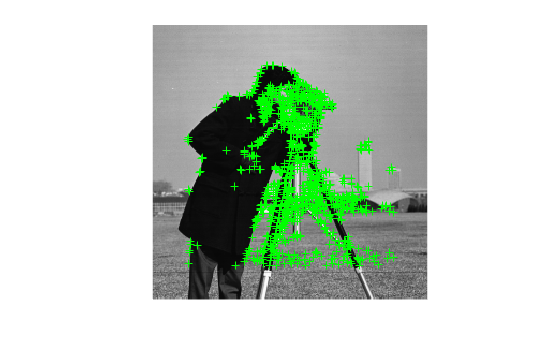
Extract ORB features from the detected points in the image. The extractFeatures function returns features and their corresponding locations. This code focuses on only the features for loop closure detection.
features = extractFeatures(I,points);
Create a bag of features using the extracted ORB features. Specify L2 normalization method to normalize image encodings in the bag.
bag = bagOfFeaturesDBoW({features},Normalization="L2")bag =
bagOfFeaturesDBoW with properties:
DepthLevel: 5
BranchingFactor: 10
Normalization: 'L2'
FeatureType: 'ORB'
You can now apply this bag to tasks such as loop closure detection in visual SLAM workflows using the dbowLoopDetector object.
This example shows how to create a bag of words vocabulary using SIFT features extracted from images and compute self similarity matrix for all the images. It also shows how to use the computed similarity matrix to visualize images that are most similar to a given query image.
Load a set stop-sign images as an image datastore.
folder=fullfile(toolboxdir("vision"),"visiondata","stopSignImages");
imds=imageDatastore(folder);
Compute the scale-invariant feature transform (SIFT) features for all the images in the datastore.
siftFeatures = cell(numel(imds.Files),1);
for i = 1:numel(siftFeatures)
    img = rgb2gray(readimage(imds,i));
    siftFeatures{i} = extractFeatures(img,detectSIFTFeatures(img));
end
Create a bag of features object for the images using the bagofFeaturesDBoW object. To use SIFT image features while constructing the bag of features vocabulary, specify the FeatureType name-value argument as "SIFT".
bag = bagOfFeaturesDBoW(imds,FeatureType="SIFT");Compute the similarity matrix for all the image features using the similarityMatrix object function. The function returns a sparse matrix that stores similarity scores for only the top visually similar images for each image feature, as specified by the StrongestResults name‑value argument. By default, each column has 10 nonzero similarity scores, and all other entries are zeros. Diagonal entries are 1 because each image is compared with itself, and all other similarity scores fall between 0 and 1, with higher values indicating stronger visual similarity.
You can adjust how many similar images are retained by specifying the StrongestResults name‑value argument.
simMatrix = similarityMatrix(bag,siftFeatures,StrongestResults=10)
simMatrix = 41×41

    1.0000    0.0675    0.0762    0.0600    0.0711         0         0    0.0605         0         0         0         0    0.0382         0         0         0         0         0         0         0         0    0.0594    0.0544         0         0    0.0534         0         0         0         0         0    0.0894    0.0856    0.0536    0.0915    0.0716         0    0.0570         0         0    0.0857
         0    1.0000    0.0891         0         0         0         0         0         0         0         0         0         0         0         0         0         0         0         0         0         0         0         0         0         0    0.0497         0         0         0         0    0.0598         0         0         0         0         0         0         0         0         0         0
         0    0.0891    1.0000         0         0         0         0         0         0         0         0         0         0         0         0         0         0         0         0         0         0         0         0         0         0    0.0488         0         0         0         0         0         0         0         0         0         0         0         0         0         0         0
         0         0         0    1.0000    0.0804         0         0         0         0         0         0         0         0         0         0         0         0         0         0         0         0    0.0612    0.0545         0         0         0         0         0         0         0         0         0         0    0.0549         0         0         0    0.0583         0         0         0
         0         0         0    0.0804    1.0000         0         0         0         0         0    0.0118         0    0.0363         0         0         0         0         0         0         0         0    0.0745    0.0604         0         0    0.0483         0         0         0         0         0         0         0    0.0617         0    0.0737    0.0427    0.0601    0.0286         0         0
    0.0885         0         0         0    0.0668    1.0000         0         0         0         0         0         0         0         0    0.1062    0.0947    0.1018    0.1001    0.1050         0    0.0882         0    0.0515         0         0         0         0         0         0         0         0    0.0986    0.0908         0         0         0         0    0.0537         0    0.1006    0.0906
         0         0         0         0         0         0    1.0000    0.1024    0.0791    0.0172    0.0203    0.0513         0         0         0         0         0         0         0    0.0401         0         0         0         0         0    0.0494    0.0238    0.0063         0    0.0689    0.0619         0         0         0         0         0         0         0         0         0         0
         0         0         0         0         0         0    0.1024    1.0000    0.1072    0.0106    0.0144    0.0355         0         0         0         0         0         0         0         0         0         0         0         0         0         0         0         0         0         0         0         0         0         0         0         0         0         0         0         0         0
         0         0         0         0         0         0    0.0791    0.1072    1.0000         0    0.0124    0.0429    0.0357         0         0         0         0         0         0         0         0         0         0         0         0    0.0514         0         0    0.0714    0.0709    0.0631         0         0         0         0         0         0         0         0         0         0
         0         0         0         0         0         0         0         0         0    1.0000    0.0889    0.0633         0         0         0         0         0         0         0         0         0         0         0         0         0         0         0    0.0075         0         0         0         0         0         0         0         0         0         0         0         0         0
         0         0         0         0         0         0         0         0         0    0.0889    1.0000    0.0760         0         0         0         0         0         0         0         0         0         0         0         0         0         0         0         0         0         0         0         0         0         0         0         0         0         0         0         0         0
         0         0         0         0         0         0         0         0         0    0.0633    0.0760    1.0000         0    0.0260         0         0         0         0         0         0         0         0         0         0         0         0         0    0.0073         0         0         0         0         0         0         0         0         0         0         0         0         0
         0         0         0         0         0         0         0         0         0         0         0         0    1.0000    0.0698         0         0         0         0         0         0         0         0         0         0         0         0         0         0         0         0         0         0         0         0         0         0    0.0558         0    0.0350         0         0
         0         0         0         0         0         0         0         0         0    0.0119         0         0    0.0698    1.0000         0         0         0         0         0         0         0         0         0         0         0         0         0         0         0         0         0         0         0         0         0         0    0.0478         0    0.0566         0         0
         0    0.0699    0.0789         0         0    0.1062    0.0699    0.0674    0.0813         0         0         0         0         0    1.0000    0.1187    0.1276    0.1160    0.1314    0.0385    0.0947         0         0    0.0904    0.0675         0    0.0238         0    0.0781    0.0815    0.0640    0.0969    0.0935         0    0.1016         0         0         0         0    0.1275    0.0966
      ⋮
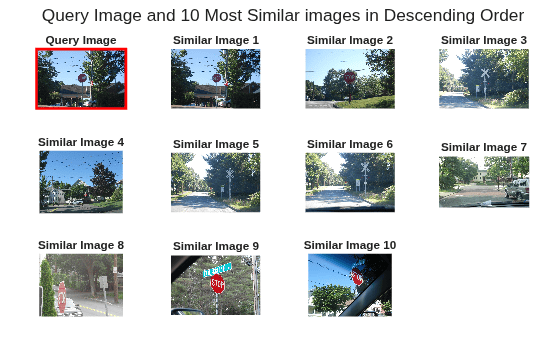
Retrieve the indices of the images most similar to a selected query image. In this example, you extract the nonzero similarity entries for the 15th image, sort them in descending order of similarity score, and return the corresponding image indices.
queryImageIdx = 15;
idx = find(simMatrix(:,queryImageIdx));
[~,order] = sort(simMatrix(idx,queryImageIdx),"descend");
sortedIdx = idx(order)'
sortedIdx = 1×10
15 19 17 40 16 18 6 35 32 41
Visualize the query image and its 10 most similar images in the order of decreasing similarity scores. This helps you qualitatively inspect how well the similarity matrix captures visual similarity among the image features.
figure
tl = tiledlayout(3,4,TileSpacing="compact",Padding="compact");
title(tl,"Query Image and 10 Most Similar images in Descending Order")
nexttile
ax = gca;
imshow(readimage(imds,queryImageIdx))
hold on
rectangle(Position=[ax.XLim(1) ax.YLim(1) diff(ax.XLim) diff(ax.YLim)],Edgecolor="r",LineWidth=2)
title("Query Image")

for k = 1:numel(sortedIdx)
nexttile
    imshow(readimage(imds,sortedIdx(k)))
    title(sprintf("Similar Image %d", k))
end
References
[1] Galvez-López, D., and J. D. Tardos. “Bags of Binary Words for Fast Place Recognition in Image Sequences.” IEEE Transactions on Robotics, vol. 28, no. 5, Oct. 2012, pp. 1188–97. DOI.org (Crossref), https://doi.org/10.1109/TRO.2012.2197158.

